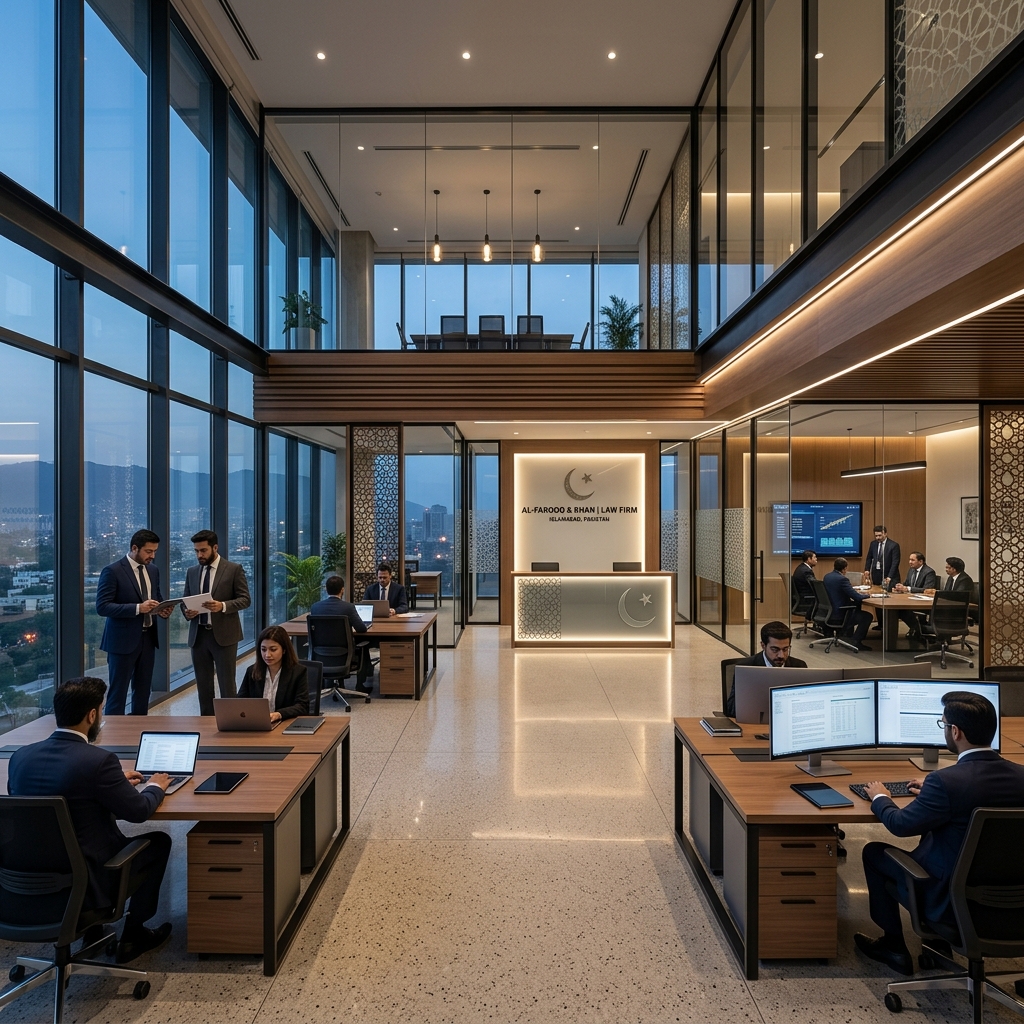
The legal landscape in Pakistan is undergoing a significant shift. For decades, the legal profession was characterized by mountains of paperwork, physical archives, and the necessity of being physically present for every minor procedural step. However, the last few years have accelerated a digital transformation that was long overdue.
The Rise of E-Courts
One of the most notable changes has been the introduction of e-courts. The Supreme Court of Pakistan and various High Courts have begun implementing video link facilities, allowing advocates to argue cases from different registries. This has not only saved time and resources but has also made justice more accessible to those in remote areas.
Automation and AI in Legal Research
Gone are the days when junior associates spent weeks scouring physical law reports. Modern legal research platforms, powered by AI and sophisticated search algorithms, now provide instant access to thousands of precedents. This allows lawyers to focus more on strategy and client advocacy rather than manual labor.
"Technology is not a replacement for legal expertise, but a powerful multiplier of it."
The Future: Blockchain and Smart Contracts
While still in its infancy in Pakistan, the potential for blockchain technology to revolutionize property registration and contract enforcement is immense. Smart contracts could automate the execution of agreements once certain conditions are met, reducing the need for litigation and increasing trust in commercial transactions.
Conclusion
The digital transformation of Pakistan's legal sector is not just about convenience; it's about transparency, efficiency, and ultimately, the more effective delivery of justice. As practitioners, embracing these changes is no longer optional—it's essential for staying relevant in a globalized legal market.